Border Collie Dog Training That Works With Their Natural Instincts - Not Against Them
The ultimate instinct-led, fear-free guide to help your brilliant, busy Border Collie find calm, focus, and confidence.
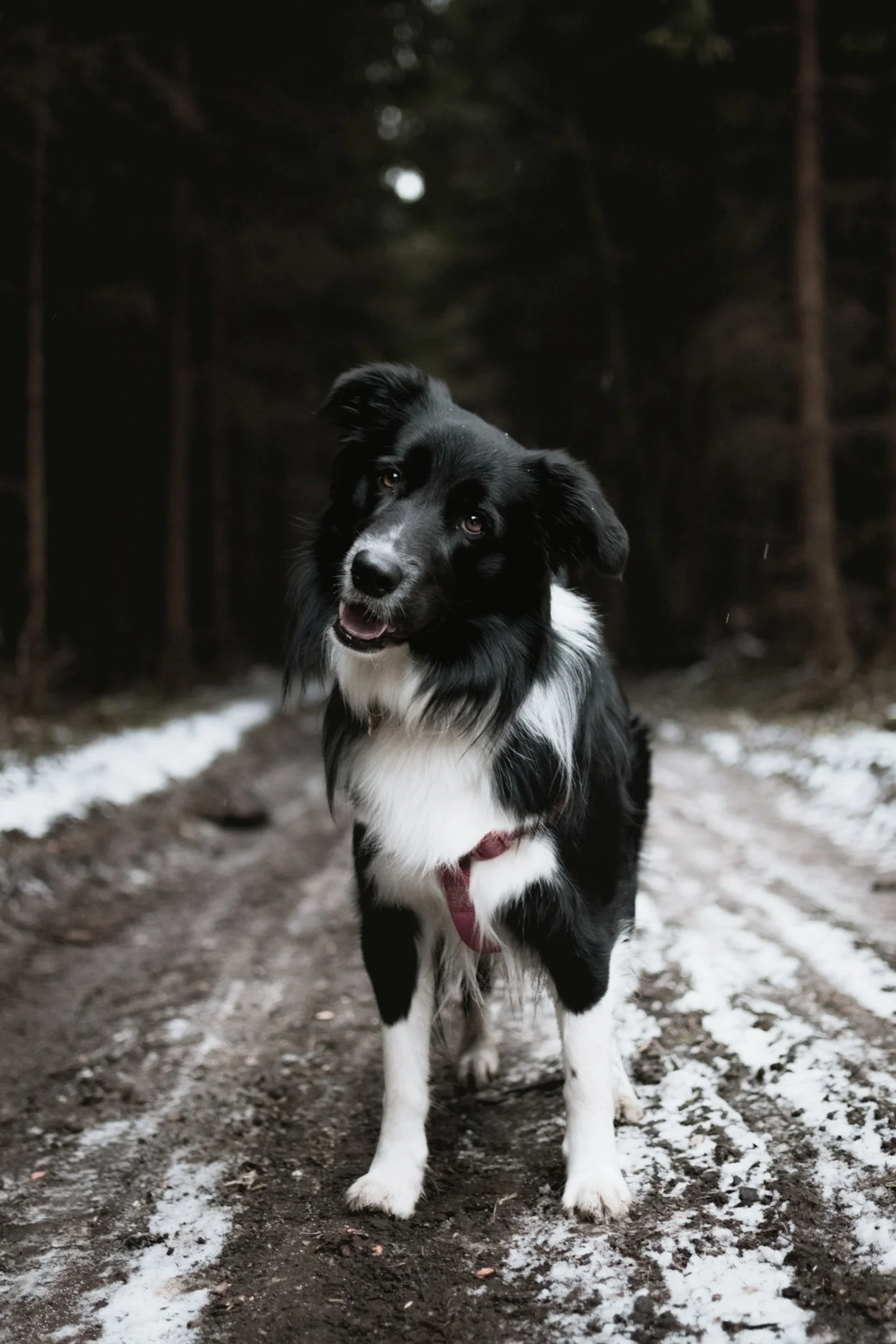
Editor's Note: This article was written by a Certified Fear Free trainer. At Wild Pack, every approach we share is instinct-led, nervous-system-first, and rooted in fear-free training.
Dear Border Collie parent,
Does your Border Collie…
❌ Herd the kids, the cat, or your ankles?
❌ Lunge after bikes, cars, skateboards, or birds?
❌ Fixate on balls, shadows, or reflections and can't let go?
❌ Struggle to switch off, even after a long day of exercise?
If so, you're not alone, and your dog isn't broken.
Border Collies were bred to work alongside shepherds for hours, reading subtle movements and making split-second decisions. That brilliant, busy mind doesn't switch off just because they live in a home instead of on a farm. Without a meaningful outlet, their drive finds its own job, and it usually isn't one you'd choose for them.
The good news? You don't need to train the instinct out of your Border Collie. You need to give it somewhere to go.
“The habits you build today become the dog you live with tomorrow.”

Understanding your Border Collie’s Mind
To train a Border Collie well, it helps to understand what they were built to do.
Border Collies were developed along the border between Scotland and England to herd sheep across rugged hills, often far from their handler. The job demanded a dog who could think independently, respond to the smallest cue, and stay focused for hours. That history shapes everything about how they experience the world today.
1) They're wired to herd. The classic Border Collie "eye" (that intense, crouched stare) and stalk are part of a hunting sequence refined into herding. In a home, it can show up as staring down other dogs, circling children, or nipping at heels.
2) They're incredibly intelligent. Border Collies are often ranked among the most trainable dog breeds. They learn fast, and that includes the habits you don't mean to teach.
3) They're sensitive. Bred to respond to subtle signals across a field, many Border Collies are highly attuned to movement, sound, and tension. That sensitivity makes them responsive learners, but it can also tip into overstimulation or anxiety in busy environments.
4) They need a job, not just exercise. Physical exercise alone often builds a fitter, more energetic Border Collie. What truly settles them is purposeful mental work that engages their brain and instincts.
When you see their behavior through this lens, frustrating habits start to make sense, and you can meet the need underneath them.
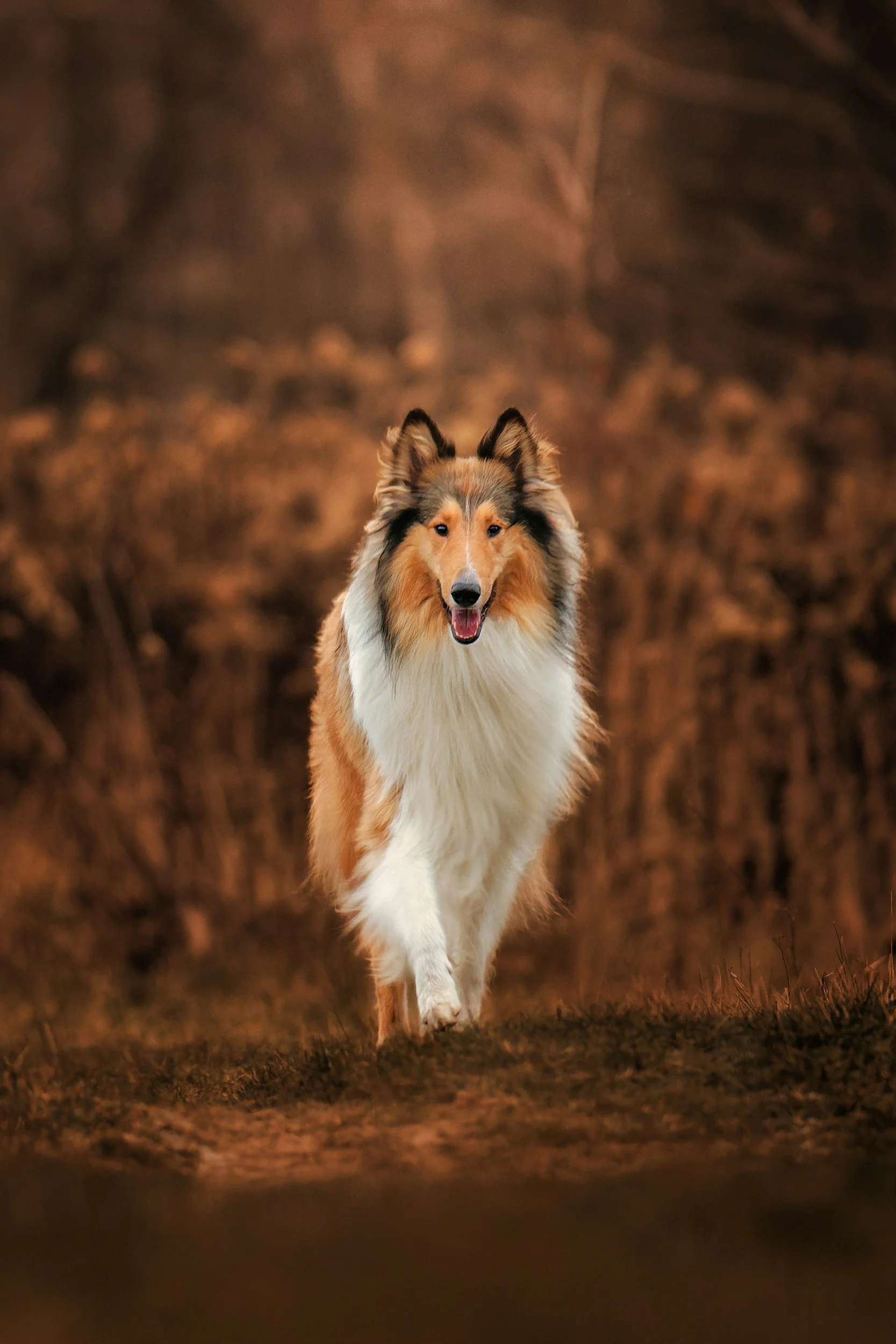
Three Principles for Training a Border Collie
To truly support a Border Collie, we recommend a three-part approach, the same foundation behind our Calm Canine OS™:
1. Use reward-based, fear-free methods.
Border Collies are sensitive and quick to pick up on tension. Harsh corrections can shut them down or make them anxious, while positive reinforcement builds trust and a willing working partnership. Reward the behavior you want, and your Border Collie will offer more of it.
2. Channel instinct instead of suppressing it.
Telling a Border Collie to stop herding rarely works, because the drive doesn't go away. Instead, give it an appropriate outlet. Nosework, scent games, and problem-solving tasks satisfy the same need to work and focus.
3. Regulate before you train.
An overstimulated dog can't learn. If your Border Collie is spinning, fixating, or can't settle, start by helping them decompress with sniffing, calm routines, and rest. Learning comes easier when your Collie is in a calm state.
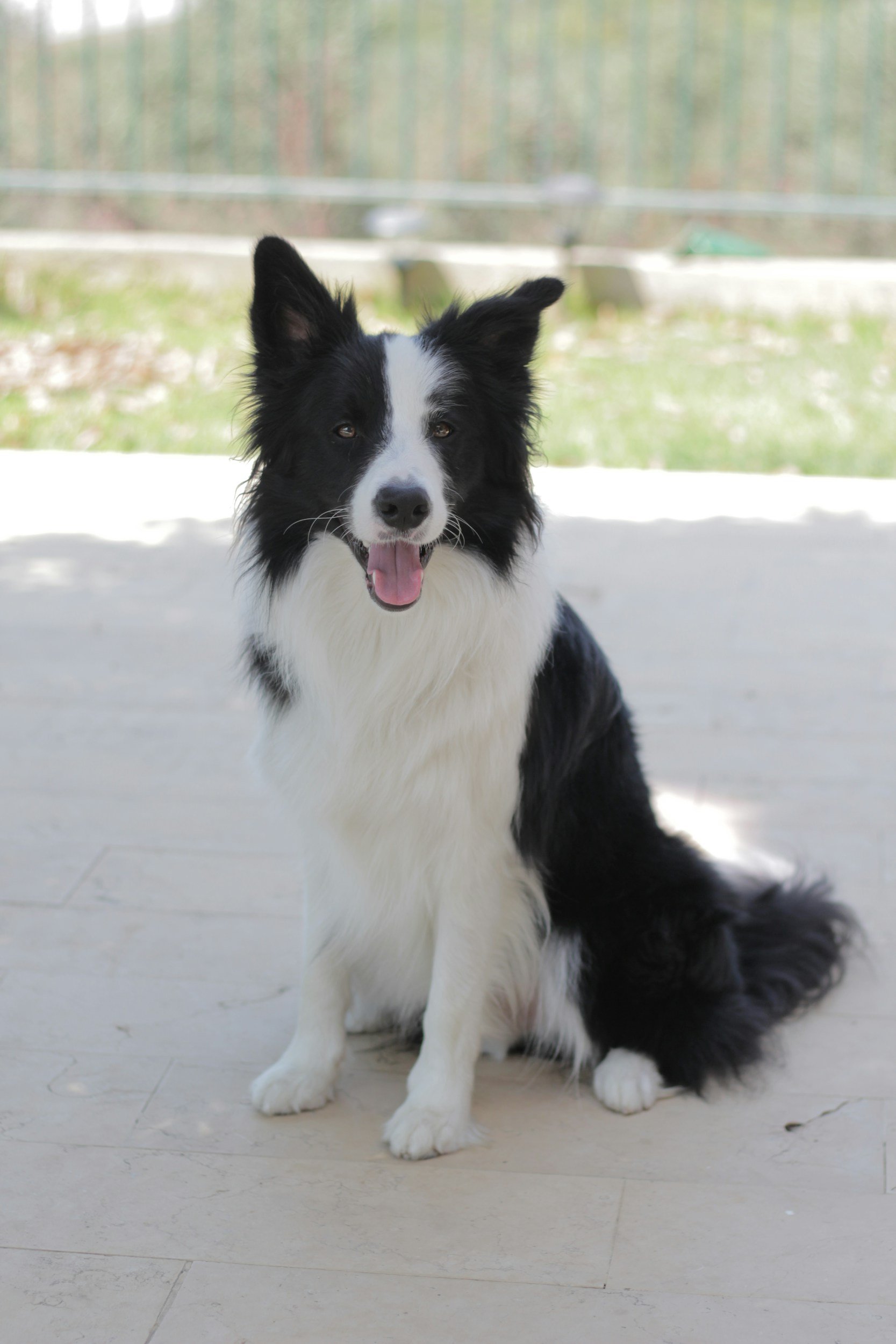
Common Border Collie Challenges and Training Tips
Herding, chasing, fixating, and not being able to switch off can look like separate problems. But they usually share the same root: a busy brain and a nervous system stuck in high gear. That's why calming the nervous system always comes first. Here is a list of common Border Collie challenges and how to start to address them.
✅ Herding and Nipping: Circling the kids, staring down the cat, and nipping at heels are herding instincts showing up in a mis-fitting context. When your Border Collie's arousal is high, those instincts take over and they simply can't think their way out. Start by bringing their energy down with sniffing and calm routines, then redirect the drive toward appropriate work, like scent games or a hand target, rewarding the choices you want with positive reinforcement. Read more on training your Collie not to nip/bite.
✅ Chasing bikes, cars, and birds: Fast movement taps straight into the chase sequence, and an already-revved Border Collie goes from zero to lunging in a split second. The more often they rehearse it, the stronger the habit gets. A calmer baseline gives your dog the space to notice a trigger and choose a different response. Using positive reinforcement at a comfortable distance, you can then build toward reliable recall training, even around movement.
✅ Can't switch off: It's tempting to answer a restless Border Collie with more fetch or longer runs. But more exercise often builds a fitter, more wired dog who needs even more to feel tired. What they really need is help learning to decompress: slow, sniff-based activities, predictable routines, and plenty of protected rest. Download our nosework guide here to help.
✅ Fixating on balls, shadows, or light: Obsessive play is a working brain stuck in a loop, and endless ball-throwing or laser pointers can deepen it. Purposeful work with a clear beginning and end, like a scent search or puzzle feeders, gives that focus somewhere healthier to go. If the fixation is intense or constant, it's worth checking in with your vet.
✅ Struggling with crate training: Many collies resist the crate because they go in wired, not because they dislike the space. When you decompress your dog first and build crate time slowly, the crate can become a calm den where that busy brain finally switches off. Read more on Collie crate training here.
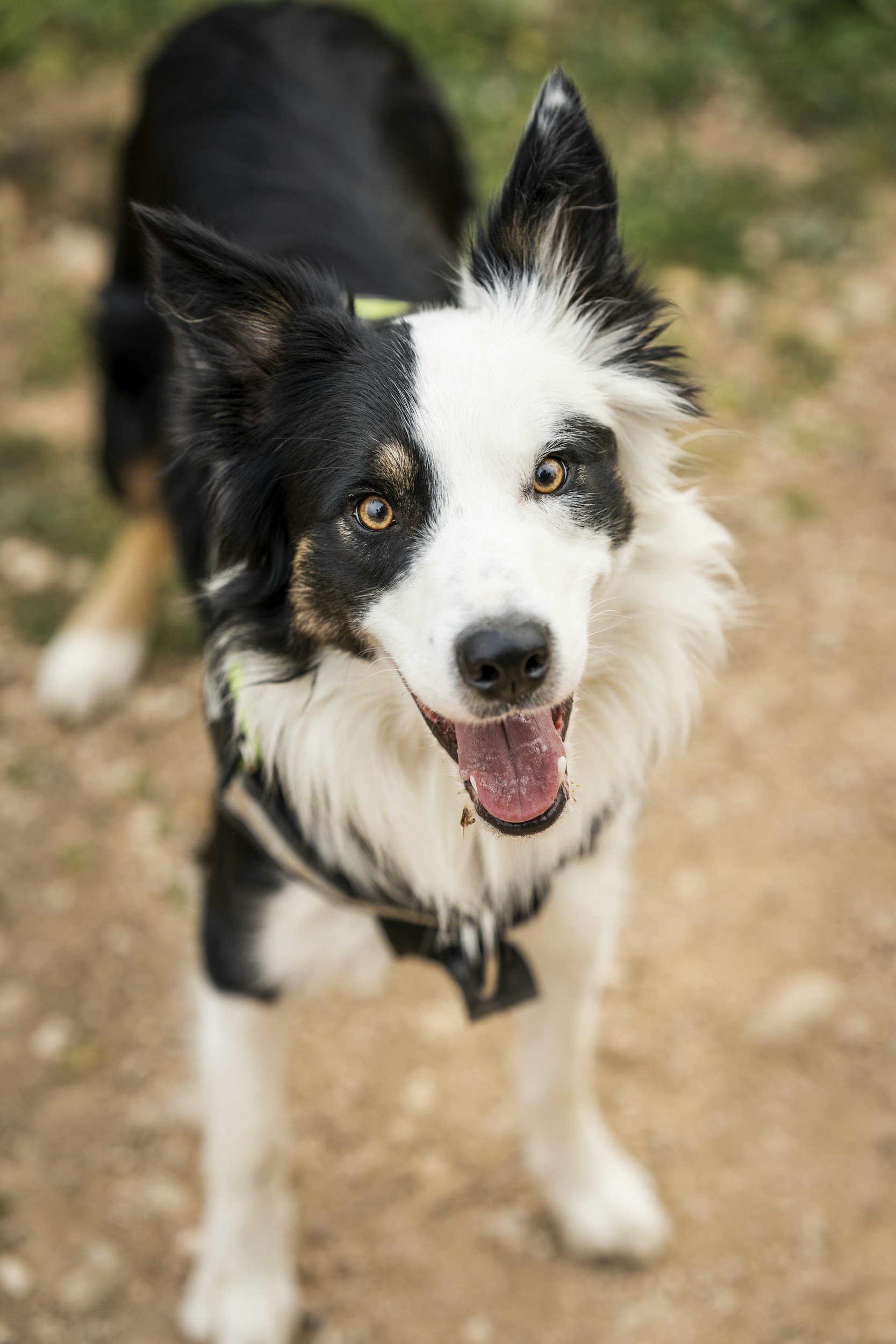

“The wild isn't something to train out — it's something to honor”
Where to Start with your Border Collie
If your Border Collie's challenges all trace back to a nervous system in overdrive, the first step isn't more training or more exercise. It's helping them come back to calm.
That's where nosework comes in. Sniffing is one of the most natural ways for a dog to decompress, and it's especially powerful for Border Collies. Searching for a scent gives their brilliant brain a real problem to solve, satisfies the same drive to work that fuels herding, and slows them down instead of winding them up. Your dog sets the pace, makes their own choices, and finishes calmer and more focused than they started.
Best of all, it doesn't take long. A few minutes of scent work a day can become a grounding ritual, a reliable way to help your Border Collie shift out of high gear before walks, after busy days, or anytime they can't settle.
Ready to make it a daily ritual? The Wild Scent Ritual Guide gives you simple, step-by-step scent rituals to help your Border Collie decompress, focus, and find calm.
Instant access · No special tools required

Frequently Asked Questions
Are Border Collies hard to train?
Border Collie training is incredibly rewarding, because these dogs learn fast and love to work. The challenge is that they learn everything quickly, including habits you don't mean to teach, and they're sensitive to pressure. Gentle dog training methods built on positive reinforcement bring out their best.
What training techniques work best for Collies?
Fear-free, reward-based training techniques work best for this sensitive, intelligent breed. Positive reinforcement builds trust and motivation, and short, focused training sessions keep a collie's busy brain engaged without tipping into overstimulation.
When should I start Border Collie puppy training?
Start puppy training as soon as your new pup comes home. Short, playful training sessions focused on basic obedience, calm routines, and gentle exposure to new sights and sounds lay the foundation for a confident adult collie.
How much exercise does a collie need?
Collies need daily physical activity, but mental stimulation matters just as much. Too much high-intensity exercise can build a more wired dog, so balance walks and play with dog training, brain games, and calming activities like nosework.
How do I stop my Collie from herding or nipping?
Collies were bred for herding sheep, so circling and nipping are among their most natural impulses. You can't train the instinct out, but you can redirect it. Lower your dog's arousal first, then give the drive appropriate outlets like scent games and structured play. Read more on how to stop your Collie from nipping and biting here.
When do collies calm down?
Many Border Collies mellow somewhat by two to three years old, but they rarely become low-energy dogs. With the right balance of rest and mental stimulation, your Collie can grow into a calm, focused canine companion at any age. Read more on how to calm your Collie.
Do I need a professional dog training program for my Collie?
Not always, but every dog's training needs are different. If you're feeling stuck, a professional dog trainer can build a personalized training plan and guide you through one-on-one training sessions. Look for training programs that use fear-free, reward-based methods.
Should my Collie take obedience classes?
Obedience training builds valuable foundations, from basic cues to recall training. But busy group obedience classes can overwhelm a sensitive collie. Many Collies do better with private, one-on-one training packages that move at their pace and start by calming the nervous system. Check out our training offerings if you’re looking for support.
About the Author

Lindsay is a Certified Fear Free Trainer and the founder of Wild Pack, with 15+ years of experience in wellness. Her instinct-led, nervous-system-first approach helps dogs and their people find calm, confidence, and deeper connection. Based in Seattle, she works with dogs locally and virtually. Learn more about booking a training session here.